
INTRODUCTION
What is Mining
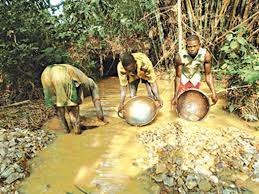
Mining in Nigeria refers to the extraction of minerals and other geological materials from the earth’s crust. Nigeria is richly endowed with numerous mineral resources, including solid minerals and oil and gas reserves. The mining sector in Nigeria has the potential to contribute significantly to the country’s economic growth and development. However, the sector has been plagued by several challenges, including inadequate infrastructure, outdated mining laws, and poor regulatory framework. Despite these challenges, the Nigerian government has taken steps to improve the mining sector by enacting new laws and policies and attracting foreign investment. The mining industry in Nigeria is dominated by small-scale miners who lack the necessary skills and resources to operate effectively. To promote sustainable mining practices in Nigeria, there is a need for the government to provide adequate support and incentives to small-scale miners while also regulating the activities of large-scale mining companies.
Overview of Nigeria’s mineral resources
Nigeria is endowed with vast mineral resources, including coal, tin, limestone, gold, iron ore, lead, zinc, and natural gas. The country has over 44 known mineral types and more than 500 locations of mineral deposits. Coal is found in commercial quantities in Enugu, Benue, and Kogi states, while tin is found in Jos, Plateau State. Limestone is found in many parts of the country, with major deposits in Sokoto, Edo, and Ogun states. Gold is found in several states, including Zamfara, Kebbi, Niger, and Kaduna. Iron ore is found in Itakpe, Kogi State, and other parts of the country. Nigeria also has significant reserves of lead and zinc, with deposits found in Ebonyi, Benue, and Nasarawa states. Natural gas is a major resource in Nigeria, with the country having the ninth-largest gas reserves in the world.
LEGAL FRAMEWORK
- The Mines and Minerals Act of 1946: This law established the Nigerian Mining Corporation and gave it the exclusive right to mine all minerals in the country. It also required all mining companies to obtain a license from the government before commencing operations.
- The Nigerian Coal Corporation Act of 1950: This law established the Nigerian Coal Corporation and gave it the exclusive right to mine coal in the country. It also required all coal mining companies to obtain a license from the government before commencing operations.
- The Nigerian Mining Cadastre Office Act of 2007: This law established the Nigerian Mining Cadastre Office, which is responsible for the administration of mineral titles and licenses in the country. It also introduced a new system for granting mineral titles based on competitive bidding.
- The Minerals and Mining Act of 2007: This law repealed the Mines and Minerals Act of 1946 and introduced a new legal framework for the mining industry in Nigeria. It established the Mining Cadastre Office and introduced new provisions for community participation, environmental protection, and mineral rights.
- The Nigerian Minerals and Mining Regulations of 2011: These regulations were issued under the Minerals and Mining Act of 2007 and provided detailed guidelines for the administration of mineral titles and licenses in the country. They also introduced new requirements for environmental impact assessments and community development agreements.
CHALLENGES FACING MINING SECTORS IN NIGERIA
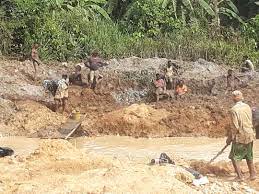
The mining Sector in in Nigeria has been facing several challenges some of which are discussed hereunder
- Inadequate Infrastructure: The mining sector in Nigeria is faced with inadequate infrastructure, including poor road networks, power supply, and water supply. This makes it difficult to transport equipment and materials to mining sites and also affects the efficiency of mining operations.
- Illegal Mining Activities: Illegal mining activities are a major challenge facing the mining sector in Nigeria. These activities are carried out by individuals or groups without the necessary permits and licenses, leading to environmental degradation, loss of revenue, and safety hazards.
- Lack of Funding: The mining sector in Nigeria is faced with a lack of funding, which limits the ability of mining companies to invest in exploration and development activities. This has resulted in a low level of investment in the sector and a lack of modern equipment and technology.
- Inefficient Regulatory Framework: The regulatory framework for the mining sector in Nigeria is inefficient and ineffective, leading to a lack of transparency and accountability in the sector. This has resulted in a low level of confidence among investors and a lack of trust in the government’s ability to regulate the sector effectively. Below are some poor regulatory frameworks of the Mining Sector in Nigeria
- Lack of clear guidelines and regulations for the mining industry, leading to unregulated and illegal mining activities.
- Inadequate enforcement of existing laws and regulations, allowing companies to operate without proper licenses or environmental protections.
- Limited community participation in decision-making processes, leading to conflicts between mining companies and local communities.
- Corruption and lack of transparency in the allocation of mineral titles and licenses, leading to unfair advantages for certain companies.
- Limited government oversight and monitoring of mining activities, resulting in environmental degradation and health hazards for local communities.
- Insecurity: The mining sector in Nigeria is also faced with insecurity challenges, including banditry, kidnapping, and terrorism. This has led to a decline in investment in the sector and has also affected the safety of workers and mining operations.
- Environmental Challenges: The mining sector in Nigeria is faced with environmental challenges, including land degradation, soil erosion, water pollution, and deforestation. These challenges have resulted in negative impacts on the environment and the health of communities living around mining sites.
- Lack of Skilled Manpower: The mining sector in Nigeria is faced with a lack of skilled manpower, including geologists, engineers, and technicians. This limits the ability of mining companies to carry out exploration and development activities effectively and efficiently.
GOVERNMENT EFFORTS TO IMPROVE THE MINING SECTOR IN NIGERIA
Amidst the several challenges that is confronting the Nigeria mining Sector the good news is that the government is never seated hand folded from making efforts to alleviate some of this challenges. discussed below are some of the government effort initiated to cushion some of these challenges
- Launch of the National Integrated Mineral Exploration Project (NIMEP): In 2018, the Nigerian government launched NIMEP, which is aimed at boosting exploration activities in the country. The project involves the use of modern technology and equipment to carry out geological surveys and identify mineral deposits.
- Establishment of the Nigerian Solid Minerals Development Fund (NSMDF): In 2019, the Nigerian government established NSMDF with a seed capital of N30 billion ($78 million) to provide funding for the mining sector. The fund is expected to attract private sector investment and support the development of infrastructure in the sector.The Solid Minerals Development Fund (the “SMDF” or “Fund”) is a sovereign Fund established by the Government of Nigeria to drive and catalyse private sector-led investments in Nigeria’s mining sector. SMDF’s mandate is to unlock financing to promote the growth of Nigeria’s mining sector and improve economic parameters such as job creation and mining sector contribution to GDP while ensuring sufficient returns to the Fund.The Fund’s approach is to provide flexible financing options, build economic partnerships, deliver extensive contact networks, and complete in-house technical evaluation and support teams dedicated to advancing projects. The SMDF invests mainly across three funds: SMDF Growth, SMDF Opportunities and SMDF Responsible Mining.
- Review of Mining Regulations: The Nigerian government has reviewed the mining regulations to make them more transparent and investor-friendly. The new regulations aim to provide a level playing field for all players in the sector and promote sustainable mining practices.
- Partnership with Private Sector: The Nigerian government has partnered with the private sector to develop the mining sector. For example, in 2020, the government signed a $3.2 billion agreement with Dangote Industries to develop coal mines and power plants in the country.
- Provision of Infrastructure: The Nigerian government has also provided infrastructure to support mining activities. For example, in 2021, the government approved the construction of a new seaport in Akwa Ibom state to facilitate the export of minerals from the country.
- Capacity Building: The Nigerian government has also focused on capacity building in the mining sector. For example, in 2020, the government trained 150 artisanal miners on safer mining practices and provided them with equipment to improve their productivity.
- Collaboration with International Organizations: The Nigerian government has collaborated with international organizations such as the World Bank and the African Development Bank to support the development of the mining sector. For example, in 2021, the World Bank approved a $500 million loan to support the development of Nigeria’s mining sector.
HOW NIGERIA GOVERNMENT CAN IMPROVE THE MINING SECTOR BY ENACTING NEW LAWS AND POLICIES
- Develop and implement clear guidelines and regulations for the mining industry, including environmental protection measures, safety standards, and community participation requirements.
- Strengthen enforcement of existing laws and regulations by increasing penalties for non-compliance and creating a dedicated regulatory agency to oversee the industry.
- Ensure greater community participation in decision-making processes by requiring mining companies to consult with local communities and obtain their consent before starting any mining activities.
- Increase transparency in the allocation of mineral titles and licenses by creating a public registry of all mining licenses and requiring companies to disclose their ownership structure.
- Establish an independent monitoring and evaluation system to oversee mining activities and ensure compliance with environmental and health standards.
- Provide incentives for responsible mining practices, such as tax breaks or preferential treatment for companies that prioritize environmental protection and community engagement.
- Encourage investment in the mining sector by streamlining the licensing process, providing access to financing, and promoting Nigeria’s mineral resources to international investors.
- Develop a comprehensive strategy for the sustainable development of the mining sector, including plans for infrastructure development, job creation, and local economic development.
EFFECTS OF THE DOMINANCE OF THE SMALL SCALE MINING IN NIGERIA
The dominance of small-scale miners in the Nigerian mining industry has several effects, including:
- Limited Production Capacity: Small-scale miners typically have limited production capacity, which can limit the overall output of the mining industry. This can result in lower revenues for the government and reduced economic growth.
- Informal Mining Practices: Small-scale miners often engage in informal mining practices, which can lead to environmental degradation and unsafe working conditions. This can also result in loss of revenue for the government due to illegal mining activities.
- Lack of Investment: The dominance of small-scale miners can discourage large-scale investment in the mining sector, as investors may view the industry as unstable and risky.
- Inadequate Infrastructure: Small-scale miners often lack access to adequate infrastructure such as roads, power, and water supply, which can limit their productivity and profitability.
- Limited Technology and Expertise: Small-scale miners often lack access to modern technology and expertise, which can limit their ability to explore and exploit mineral resources efficiently.
- Revenue Loss for Government: The dominance of small-scale miners can result in revenue loss for the government due to informal mining practices and lack of regulation.
- Inconsistent Quality of Minerals: The quality of minerals produced by small-scale miners can be inconsistent, which can affect the value of exports and reduce the competitiveness of Nigerian minerals in the international market.
PROMOTING SUSTAINABLE MINING PRACTICES IN NIGERIA;
REGULATING, LARGE-SCALE MINING COMPANIES, ENVIRONMENTAL CONCERNS AND CONSERVATION EFFORTS
Promoting sustainable mining practices in Nigeria is crucial to ensuring that the country’s mining industry contributes to economic growth while minimizing its negative impact on the environment and local communities. Here are some key strategies for achieving this:
- Community Participation and Empowerment: Mining companies should engage with local communities and involve them in decision-making processes related to mining activities. This can help ensure that the needs and concerns of local people are taken into account, and that benefits from mining are shared fairly.
- Transparency and Accountability in Mining Operations: Mining companies should be required to disclose information about their operations, including environmental impact assessments, and should be held accountable for any negative impacts they cause.
- Monitoring and Evaluation of Mining Activities: Regular monitoring and evaluation of mining activities can help identify any negative impacts and ensure that companies are complying with regulations and best practices.
- Incentivizing Responsible Mining Practices: Governments can provide incentives for mining companies that adopt responsible practices, such as reducing waste and emissions, and supporting local communities.
- Investment Promotion in the Mining Sector: Governments can promote responsible investment in the mining sector by providing a stable regulatory environment, offering tax incentives, and encouraging partnerships between mining companies and local communities.
- Sustainable Development Planning for the Mining Industry: Governments should develop long-term plans for the mining industry that take into account environmental, social, and economic considerations. This can help ensure that the industry contributes to sustainable development.
- Education and Awareness on Sustainable Mining Practices: Education and awareness campaigns can help promote sustainable mining practices among mining companies, local communities, and other stakeholders. This can help build support for responsible mining practices and reduce the negative impacts of mining.
In addition to the above strategies, regulating larger scale mining in Nigeria is crucial for promoting sustainable mining practices. This can include:
- Enforcing Environmental Regulations: Governments should enforce existing environmental regulations and establish new regulations as needed to ensure that mining activities do not harm the environment.
- Monitoring and Reporting of Mining Activities: Mining companies should be required to regularly monitor and report on their activities, including their environmental impact, to government agencies and the public.
- Licensing and Permitting: Governments should require mining companies to obtain licenses and permits before engaging in mining activities. This can help ensure that companies meet certain standards and comply with regulations.
- Financial Assurance: Governments can require mining companies to provide financial assurance, such as bonds or insurance, to cover the cost of any environmental damage caused by their activities.
- Enforcement and Penalties: Governments should enforce regulations and penalize mining companies that violate them. This can include fines, suspension of operations, or revocation of licenses.
Further more, by implementing these strategies, Nigeria can promote sustainable mining practices and ensure that its mining industry contributes to economic growth while minimizing its negative impact on the environment and local communities;
- Community Engagement: Mining companies should engage with local communities to ensure that their activities do not harm the community’s livelihoods, culture, and well-being. This can include consultation with community leaders, providing employment opportunities for local residents, and supporting community development projects.
- Transparency and Accountability: Governments and mining companies should be transparent about their activities, including their financial transactions and environmental impact. This can help build trust with local communities and ensure that mining activities are conducted in a responsible and sustainable manner.
- Capacity Building: Governments can invest in capacity building programs to improve the skills and knowledge of regulators, mining companies, and local communities. This can help ensure that regulations are effectively implemented, mining activities are conducted responsibly, and communities are empowered to participate in decision-making processes.
Overall, regulating larger scale mining in Nigeria is crucial for promoting sustainable mining practices that benefit both the economy and the environment. By enforcing regulations, monitoring and reporting on mining activities, requiring licenses and permits, providing financial assurance, enforcing penalties, engaging with local communities, promoting transparency and accountability, and investing in capacity building programs, Nigeria can ensure that its mining industry contributes to sustainable development.
FUTURE PROSPECT FOR NIGERIAN MINING INDUSTRY
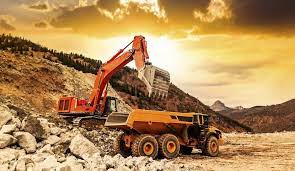
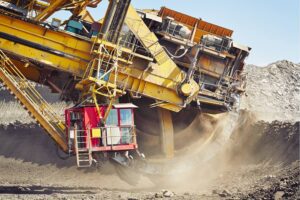
The Nigerian mining industry has significant potential for growth and development in the future. With the right policies and regulations in place, the industry can contribute to economic growth, job creation, and sustainable development.
One of the key areas of potential growth is in the development of solid minerals, which include minerals such as gold, iron ore, and coal. Nigeria has significant reserves of these minerals, but they have not been fully exploited due to a lack of investment and infrastructure.
The government has taken steps to encourage investment in the sector, including the establishment of the Nigerian Solid Minerals Development Fund and the provision of tax incentives for mining companies.
In addition, the government has launched a roadmap for the sector, which aims to increase the contribution of mining to GDP from 0.3% to 3% by 2025.
Another area of potential growth is in the development of artisanal and small-scale mining (ASM). ASM provides employment opportunities for millions of Nigerians, but it is often conducted in an unregulated and unsafe manner. By promoting responsible ASM practices and providing support for formalization, Nigeria can harness the potential of this sector while minimizing its negative impacts.
In conclusion, the future of the Nigerian mining industry depends on the government’s commitment to promoting sustainable mining practices, attracting investment, and supporting local communities. With the right policies and regulations in place, Nigeria can unlock the full potential of its mineral resources and contribute to sustainable development.
I hope this article added value to your Knowledge about the Nigeria Mining Sector.